
Erasmus+ offers training opportunities for both students and educational staff. Thus, Erasmus mobility programs have become an essential part of modern higher education, having a significant impact on the personal and professional development of employees and, implicitly, on the institution they represent.
With a budget of approximately €26 billion, Erasmus+ (2021–2027) provides more opportunities for mobility and cooperation than ever before.

Iuliana Levinschi – PR Officer
Staff Training Mobility in Thailand – Burapha University
– March 2024 –
The academic experience in Thailand was an extraordinary one, opening up new perspectives for me both professionally and personally. I had the opportunity to interact with professors and students from a completely different environment and to share best practices from our faculty. Engaging with a different academic culture strengthened my understanding of diversity and helped me integrate new perspectives into my work.
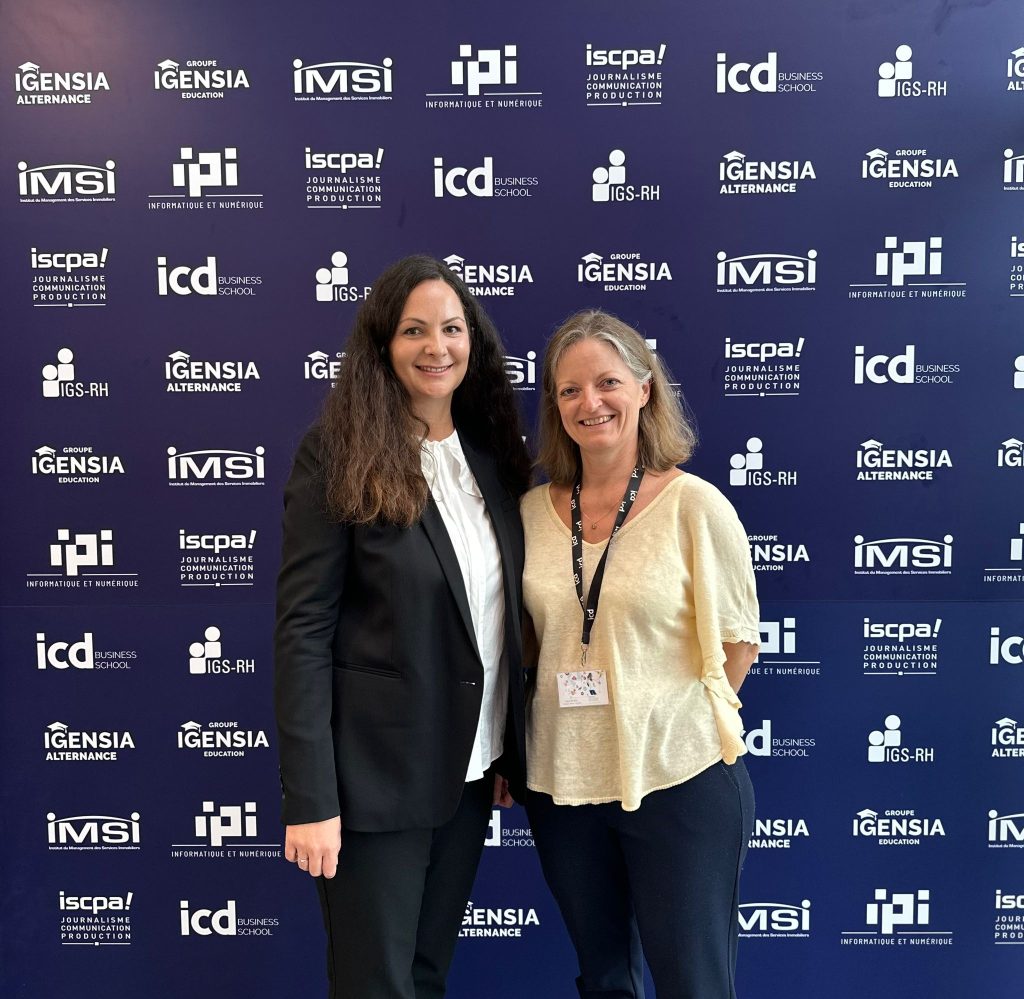
Andreea A. Șeulean, PhD. – lecturer
Teaching Mobility in France – ICD Business School
(Toulouse Campus)
– September 2024 –
One of the key elements associated with the operationalization of the teaching mobility was the identification of alternative ways to generate benefits derived from international collaboration. In this context, the feedback received from students with diverse cultural backgrounds represented a valuable opportunity to refine and calibrate the teaching process itself.
Oana Bode, PhD. – assoc. prof.
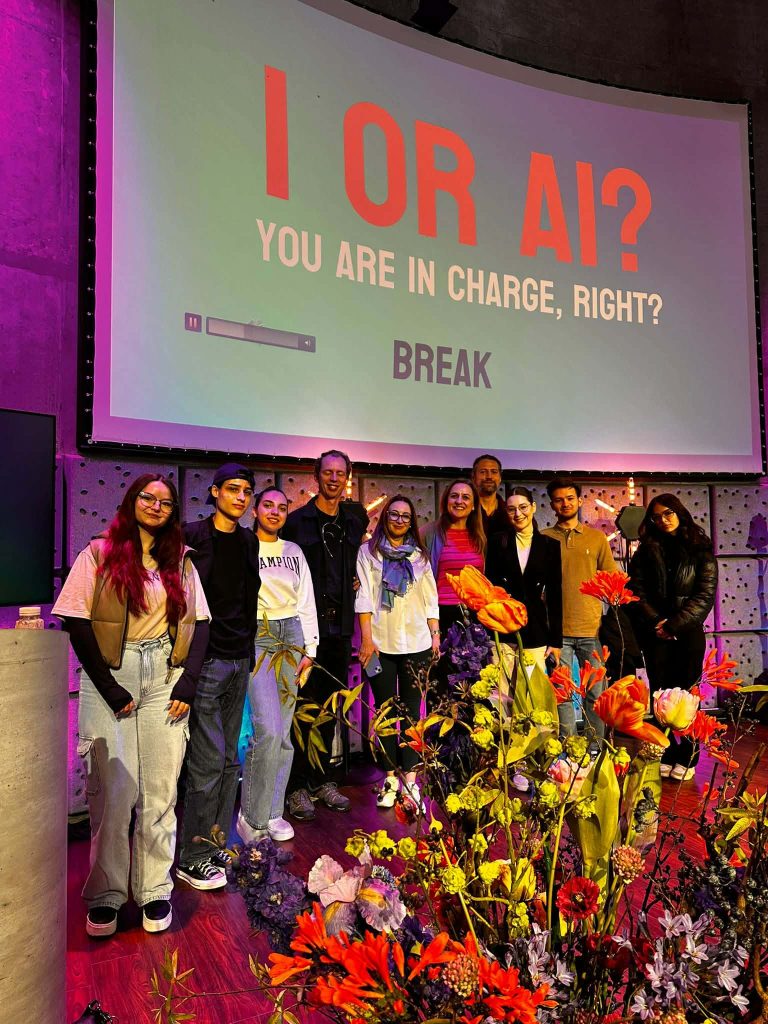
Teaching Mobility in Netherlands – Windesheim University
– May 2025 –
My Erasmus mobility experience in the Netherlands at Windesheim University in Zwolle was truly transformative, both academically and personally. Together with a group of motivated students, I explored a highly relevant topic – the impact of artificial intelligence on employability and how we can adapt our skills to meet the demands of the labor market in the AI era.
Participating in workshops, debates, and interactive sessions focused on artificial intelligence helped us gain a clearer understanding of how emerging technologies influence professional fields and what it truly means to be prepared for the future. I discovered the importance of digital skills, critical thinking, and lifelong learning, as well as the essential role of adaptability in a dynamic professional environment.
Discussions with experts and international peers offered me diverse perspectives and challenged me to see AI not as a threat, but as an opportunity for growth. Beyond the academic component, exposure to Dutch culture was equally valuable. I appreciated the openness, collaborative spirit, and strong focus on innovation that characterize both the educational and professional environments there.